
 Bio-Bank
How a Bio-Bank Management System Improves Sample Traceability
A Bio-Bank Information Management System (BIMS) is a specialized platform used to collect, store, manage and track biological samples and their associated data for research, clinical studies and medical analysis.
Research laboratories, hospitals and bio-banks use BIMS to organize biospecimens such as blood, tissue, DNA and other biological materials.
Why traceability matters
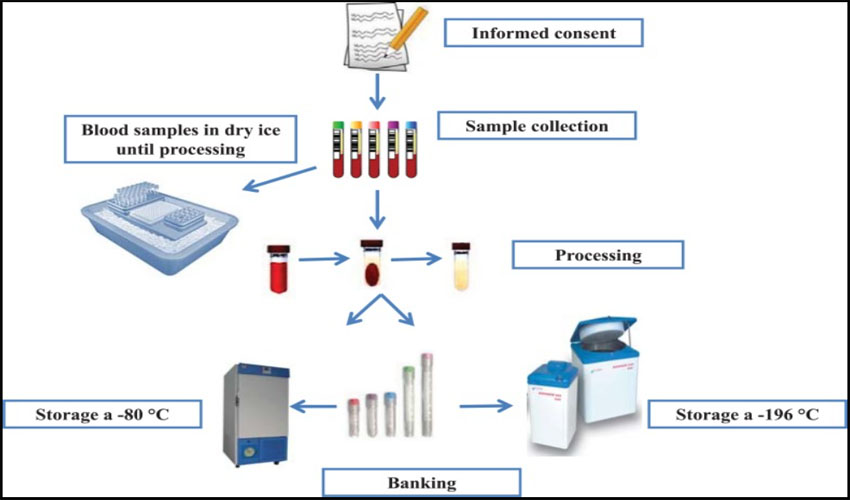
Every sample in a bio-bank carries value for future research. If its location, storage conditions or consent data are lost, the sample may become unusable. A BIMS records each step — collection, processing, storage and distribution — so nothing is lost.
Key benefits of BIMS
- Improves sample tracking accuracy throughout the lifecycle of biological specimens
- Ensures reliable data management while meeting regulatory and ethical standards
- Facilitates data and sample sharing among research teams and collaborating institutions
- Optimizes research workflows by organizing biospecimen data efficiently
Automation with robotic storage
Large bio-banks increasingly use automated, robotic storage. Integrating BIMS with these systems keeps the software record and the physical sample location in sync, reducing handling errors.
Back to Blog